
A memorable lifetime travel list can span geothermal landscapes, historic cities, tropical islands and ancient landmarks, rather than one kind of scenery. These ten beautiful places to visit include six U.S. destinations and four international ones, giving you choices across the world.
The mix suits travelers with different ideas of a bucket list: some want nature and wide-open views, while others prefer culture, beaches or city life. A timed-entry reservation is a booking that authorizes arrival at a site during a specified time window. It can shape the timing of a trip, so plan around any required booking.
The National Park Service (NPS) manages the U.S. parks featured here. New York City (NYC), Napa Valley and Chicago offer very different alternatives to park visits. Each destination can reward a short stop or a longer stay, depending on your interests and schedule.
Use the selections as a starting point, not a contest with one final winner. Choose the destinations that fit the landscapes and experiences you most want to remember.
How to Choose Beautiful Places to Visit in the World
A strong shortlist starts with the scenery and pace you want, not with a universal ranking. Yellowstone, Yosemite, the Grand Canyon, Machu Picchu, Bora Bora, Ha Long Bay and Cappadocia make a scenic world shortlist, but beauty is personal.
There is no formal ranking of the seven most beautiful places in the world. The best choice depends on what you want to see and how you like to travel. A quiet beach stay and a demanding mountain trip offer different kinds of appeal.
Choose a place for the experience you want, not for its position on someone else’s list.
The National Park Service manages 63 designated national parks in the United States, and three selections here are U.S. national parks. Parks are only one kind of protected place. The NPS also oversees other areas, such as monuments, preserves, historic sites and recreation areas, each with its own purpose. The NPS guide to park designations explains how those names differ.
Which seven destinations make a scenic world shortlist?
Yellowstone, Yosemite and the Grand Canyon offer three different kinds of U.S. scenery. Machu Picchu, Bora Bora, Ha Long Bay and Cappadocia add ancient sites, island waters and unusual rock forms.
This shortlist is an editorial selection, not a world best ranking. Your own most beautiful places in the world to visit may look quite different if you favor cities, forests or coastal towns.
How should a destination match your travel style?
Compare each option against four practical points before choosing a trip:
- Landscape: Decide whether you want mountains, water, city streets or open countryside.
- Cultural interest: Consider historic sites, museums, local food and daily life.
- Preferred pace: Choose between active days, relaxed stays and a mix of both.
- Trip logistics: Think about travel time, transport, access rules and the days you have.
Travelers seeking urban variety can put NYC or Chicago near the top of their list. A wine-country setting points toward Napa Valley. Match the scale of the trip to the number of days you can comfortably set aside.
Yellowstone National Park
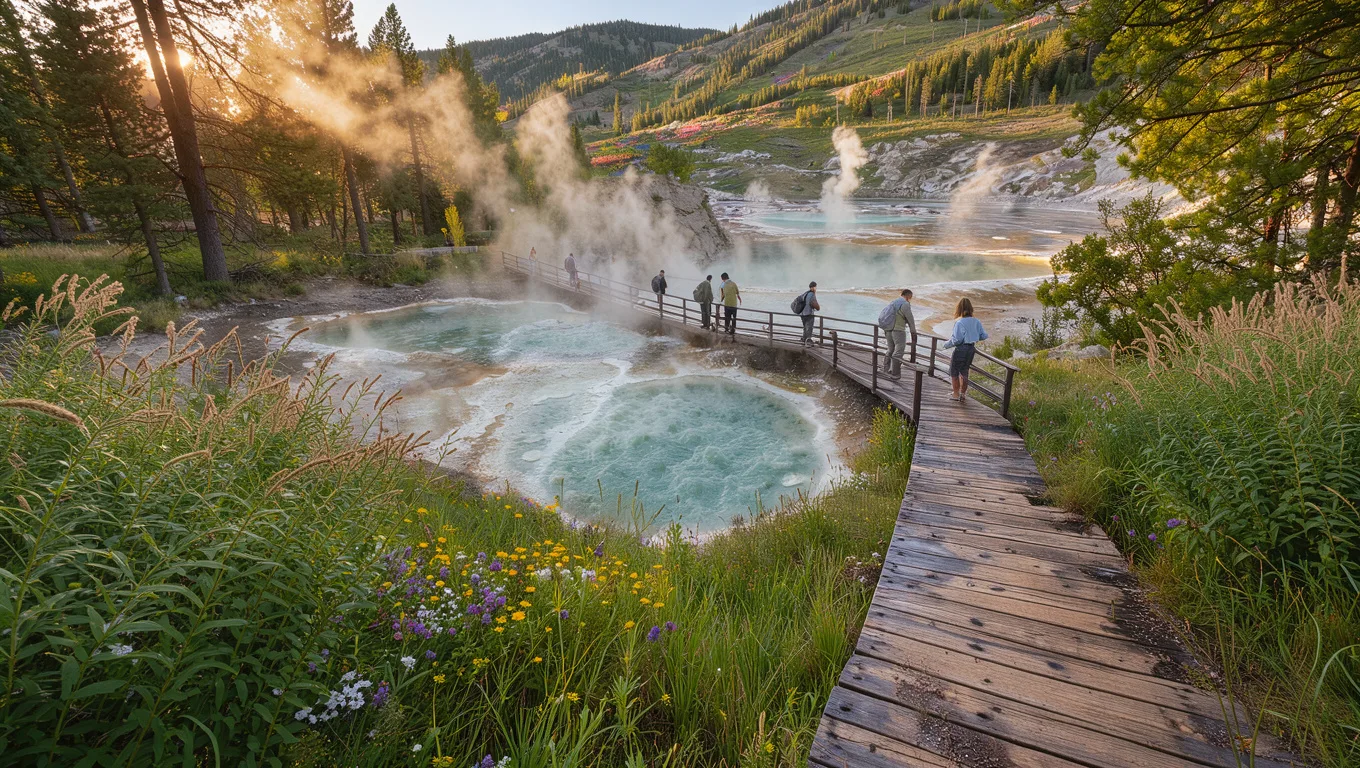
Yellowstone pairs extraordinary geothermal scenery with the scale of a park spread across three states. Its hot springs and active geysers make geothermal features the main draw for many visitors.
Yellowstone covers 2.2 million acres across Wyoming, Montana and Idaho. The park contains about half of the world’s supply of hot springs and active geysers. That size and variety affect how much you can see in a single visit.
Expect meaningful travel between areas rather than one compact stop. A day spent watching geysers and hot springs has a different rhythm from a trip focused on hiking and wildlife viewing.
For a geothermal visit, leave time to reach several features and pause at overlooks or boardwalks. If you want a more active adventure, decide which trails and wildlife areas fit your available hours. A mountain view can make a good break between longer drives.
The park’s three-state reach matters when you choose where to begin and how much ground to cover. A plan built around one area may feel very different from a route crossing the park.
Views can change with the weather and the time of day, so leave room for stops that catch your interest. Build time for travel between areas instead of treating the park as a single roadside stop.
Yosemite National Park
Yosemite brings waterfalls and monumental granite formations into the same landscape. You can center a visit on water and rock, with scenic viewpoints linking the two.
Vernal Fall and Bridalveil Fall offer a different focus from Half Dome and El Capitan. The waterfalls bring moving water into the view, while the granite landmarks define the park’s famous mountain scenery.
A short visit can focus on viewpoints and a few stops near the road. You can take in major forms without making a full day of walking. That plan works well when your time is limited or you want a gentler day.
A longer day allows more time on foot and a closer look at the water. Trail choices can change the pace, so consider distance and effort before setting out. Even a route with a strong view may take more time than a quick stop.
Waterfall conditions and trail access can affect which places make sense for your day. A view that looks close on a map may still require a walk, and conditions may change during your stay.
Keep some time for a scenic viewpoint instead of filling every hour with a planned stop. Check current trail and waterfall conditions before committing a full day to a route.
Grand Canyon National Park
The Grand Canyon’s 18-by-278-mile World Heritage Site is a lesson in landscape on a scale that is hard to take in from one overlook. The canyon sits in Arizona, with the Colorado River as a key geographic anchor.
The site’s 18-by-278-mile dimensions show why one view cannot capture the whole canyon. Its vast scale rewards a slower look, whether you spend time at the rim or choose a more active visit.
A rim-focused day can center on scenic viewpoints, short walks and time to take in the distance. Pick an area rather than trying to see every part of the park in a few hours.
Hiking gives you a more physical sense of the canyon, but it changes the demands of the trip. The way down is only part of the effort; allow for the return climb and time spent on the trail.
A river experience offers another perspective, with the canyon walls rising above the water. It calls for a different plan from a quick roadside stop or a day spent near the rim.
Choose a point of focus before arrival, and leave room to pause at the views. Choose a rim area and activity before arrival so the day is not spent trying to cover too much ground.
New York City
New York City is the city pick for travelers who want major landmarks, parks, museums and restaurants in one trip. Rockefeller Center and Central Park give one day in NYC very different ways to begin.
NYC ranked tenth among Tripadvisor’s 2026 top destinations worldwide and sixth among its best solo destinations. Those placements describe award categories, not personal safety or a guaranteed fit for every visitor.
NYC suits travelers who enjoy choosing among many things to do, from museums to neighborhood restaurants. You can set a relaxed pace or fill a day with stops, then pick a hotel near the areas that matter most.
A solo visit can work well when you plan around places you genuinely want to see. The city also has options for a night out, a quiet afternoon in a park or a meal that becomes the main event.
Four possible anchors can help organize a city day:
- A landmark, such as Rockefeller Center.
- A park, such as Central Park.
- A museum that matches your interests.
- A neighborhood meal at a restaurant you want to try.
Choose an anchor for each part of the day, then leave space for a stop that catches your eye. Group sights by neighborhood to spend less of the day crossing the city.
Chicago
Chicago pairs a major-city skyline with the lakefront and a strong architecture-focused city experience. Its setting on Lake Michigan gives city views a different feel from a visit to NYC.
Chicago ranked third among Tripadvisor’s 2026 trending destinations worldwide. That ranking can prompt a closer look, while the city’s architecture, food and water remain the reasons to plan a visit.
Architecture gives you an easy theme for a trip. Buildings shape many views across the city, and the Chicago River offers another setting for a ride through the urban center.
The lakefront can anchor a day outdoors, while restaurants give the visit a strong food focus. A walk, a river ride and a meal can fit into one day without copying the feel of a New York trip.
Chicago suits travelers who want an urban visit but do not want to choose NYC. You can spend time near the water, look for notable buildings or plan around the places you want to eat.
Keep the first part of the day focused rather than trying to cover every neighborhood. Pick a lakefront or architecture stop to anchor the day before adding other neighborhoods.
Napa Valley
Napa Valley is a strong choice for travelers who want a slower trip built around wine-country scenery and meals. Vineyard views and unhurried days make it a different kind of California destination.
Napa ranked seventh among Tripadvisor’s 2026 best honeymoon destinations worldwide. The award offers context for couples considering a getaway, but it cannot promise a particular experience.
A visit can center on vineyard scenery, tasting visits and relaxed meals. You might spend the morning at a winery, then give the afternoon a slower pace before dinner.
Hotels and tasting locations may shape how much time you spend moving around the area. Choose a home base that suits your plans, especially if your days include stops at several wineries.
Wine tasting requires a transport plan that fits your schedule. Set up a ride or other transport before the day begins, rather than making driving choices after tasting.
Couples may enjoy the setting, but Napa can also suit anyone seeking a calm trip focused on food and wine. Arrange transportation before a day of wine tasting.
Machu Picchu
Machu Picchu combines a 15th-century archaeological site with a dramatic setting high in the Andes. Its stone remains and mountain views create a distinctive visit in South America.
The Inca site was built in the 15th century and became known to the outside world in 1911. Hiram Bingham exposed it to wider attention that year, centuries after its construction.
The ruins sit among steep mountain forms, making the setting part of the experience. The site includes about 200 structures tied to religious, ceremonial, astronomical and agricultural life.
The UNESCO page on Machu Picchu describes the historic sanctuary’s cultural and natural importance. Its location high in the Andes gives the archaeological remains a striking sense of place.
Plan around site access and the physical demands of reaching and exploring the area. Walking over uneven ground and dealing with elevation can make the visit more tiring than a city museum day.
Give yourself enough time to look closely at the stonework and then take in the mountain setting. Allow time to appreciate both the ruins and the surrounding mountain landscape.
Bora Bora
Bora Bora’s lagoon, reef and small motu make it the article’s clearest choice for a tropical island escape. The island setting invites beach time as well as time on the water.
Bora Bora lies in French Polynesia in the South Pacific, around 160 miles from Tahiti and about 2,600 miles from Hawaii. Those distances show its place in the region, not how long a trip takes.
A turquoise lagoon sits within a barrier reef, with motu, or small islands, spread across the water. The mix of beaches and calm-looking water gives the destination a different pace from a mountain or city visit.
You can plan time on shore alongside a boat outing or other water activity. The balance depends on the lodging you choose and how much of your stay you want to spend moving around.
Hotels may sit in different parts of the island area, and that can affect how you reach beaches, boats and other stops. A view of the lagoon can be part of the appeal, but location shapes daily transport too.
Look at where your lodging sits before setting plans for each day. Check how the island and lodging location affect the transport needed for your stay.
Ha Long Bay
Ha Long Bay stands out for a water-filled landscape crowded with more than 1,600 limestone islands. Emerald waters and steep rock forms give the bay a dramatic view from the water.
The bay in northeast Vietnam received New 7 Wonders of Nature recognition in 2011 and is a UNESCO heritage site. Its many karst islands create the defining pattern of a visit.
A boat trip is a practical way to see the islands and understand how they fill the bay. It can bring you close to the rock formations and show how the view changes across the water.
Ha Long Bay offers a water-based trip, but its appeal differs from Bora Bora’s reef and beach focus. Here, the limestone formations shape the view; on a boat, you can watch the islands appear from different angles.
Choose an itinerary that gives you time to look around between stops. A rushed ride can turn an unusual place into a string of brief views.
Check what the boat plan includes, then set a pace that leaves room for scenery. Choose a boat itinerary that leaves time to take in the landscape rather than rushing between stops.
Cappadocia
Cappadocia’s fairy chimneys create an inland landscape unlike the article’s other destinations. This semi-arid region in central Turkey offers a ground-level adventure as well as sunrise views from the air.
Uchisar Castle and Göreme Open Air Museum are among Cappadocia’s named landmarks. Rock forms and historic cave dwellings give the area its distinctive look.
A sunrise balloon ride can offer a broad view of the region, while walking lets you look closely at rock-cut spaces and local landmarks. Either plan can make the destination feel like a different world from a coastal trip.
Balloon flights depend on weather and operating conditions, so a booked plan may change. Keep a ground-based visit ready, with time for a museum or a walk among the rock formations.
Look at how many hours you want to spend in the air or on foot. A ground visit also gives you a way to enjoy the area if conditions keep balloons from flying.
Keep a ground-based sightseeing option in mind if a balloon flight does not operate.
What Do Travel Rankings Reveal About U.S. Destinations?
International travel reached 1.52 billion arrivals worldwide in 2025, while the U.S. drew 68.3 million arrivals. These figures show travel’s reach, not which destination is most beautiful.
Travel awards and arrival totals measure popularity or visitor activity, not beauty. A ranking can help you spot places attracting attention, but it cannot tell you whether a trip fits your interests.
Which 10 places make a world travel shortlist?
This article’s ten selections are Yellowstone, Yosemite, the Grand Canyon, NYC, Chicago, Napa Valley, Machu Picchu, Bora Bora, Ha Long Bay and Cappadocia. Together, they cover parks, city breaks, wine country, islands and historic sites.
The United States ranked third among destinations in 2024, with 72.4 million international arrivals. In 2025, it earned US$213.0 billion in international tourism receipts. The worldwide arrival total that year rose 4.0% from 2024.
Tripadvisor’s 2026 Travellers’ Choice awards used review data from October 1, 2024, through September 30, 2025. Review awards reflect that period, while arrival totals track a different measure.
Which U.S. destinations belong on a scenic shortlist?
A U.S. editorial shortlist can include Yellowstone, Yosemite, the Grand Canyon, Glacier, Grand Teton, Zion, Arches, NYC, Chicago and Napa Valley. It is a selection, not a formal ranking of the top ten places to visit in the USA.
Use four checks when reading a ranking:
- Year: Find the year the result describes.
- Review window: Check which dates shaped the reviews.
- Destination category: See whether it ranks cities, parks or another type.
- Ranking goal: Tell popularity apart from a specific traveler type.
Those checks help you compare awards without treating them as a measure of personal fit. Treat a destination ranking as one planning signal, not a substitute for choosing the setting that suits your trip.
How to Plan a U.S. National Park Visit
Park entry can be free at many National Park Service sites, but some destinations require an entrance pass, reservation or hike permit. Check the rules for your specific park and activity before setting the day’s plan.
An America the Beautiful pass covers entrance and standard day-use fees at participating federal recreation sites for one year. It has annual and lifetime options, with different eligibility rules.
What should you know about park fees and passes?
Most NPS sites are free to enter, while some charge an entrance fee. A pass may help if your plans include multiple participating sites or standard day-use fees during the year.
The Resident Annual Pass costs $80 and is available to U.S. citizens and residents. The Senior Annual Pass costs $20, and the Senior Lifetime Pass costs $80. Both senior options are for U.S. citizens and residents aged 62 or older.
Pass coverage applies at participating federal recreation sites, not every place you might visit. Check which fees your pass covers before you rely on it for a trip.
When do national parks require reservations?
Some high-traffic sites require reservations or a timed-entry booking. A timed-entry reservation sets the window when you may arrive, which can affect your travel day.
Required reservations are best made well in advance and typically come out on a rolling basis through recreation.gov. A popular time slot may be gone by the time you settle other plans, so consider the booking early.
Reservation rules vary by site and can apply to a park, an area or a particular visit period. Read the current details for your destination rather than assuming one park’s rule applies elsewhere.
Which hikes and park areas need extra planning?
Different parks call for different preparation. Glacier National Park has more than 700 lakes and three mountain ranges, while Grand Teton National Park has more than 250 miles of trails.
Arches National Park contains more than 2,000 natural arches, giving visitors many areas to consider. Angels Landing in Zion requires a permit awarded through an online lottery, so a hike plan may depend on getting one.
Use this pre-departure checklist:
- Verify entrance fees for each site.
- Check reservation rules for your dates and planned areas.
- Confirm permit requirements for hikes and other activities.
- Review current conditions before traveling.
Allow enough time for travel between park areas and for the activity you choose. Make required reservations well in advance, since popular time slots can be released on a rolling basis.
How to Check Travel Safety Before Booking
Start a safety check with the current U.S. Travel Advisory for the specific destination and itinerary. Advisory levels range from Level 1, “Exercise normal precautions,” to Level 4, “Do not travel.”
Conditions can change at any time, and the State Department updates advisories when they change substantially. A past review date does not mean conditions have stayed the same.
How do U.S. Travel Advisory levels work?
Level 1 is the lowest advisory level. Level 2 advises travelers to exercise increased caution, while Level 3 says to reconsider travel. Level 4 advises against travel.
The State Department reviews Level 1 and Level 2 advisories every 12 months. It reviews Level 3 and Level 4 advisories at least every six months, but conditions can shift between reviews.
The 2026 Global Peace Index ranked 163 independent states and territories, covering 99.7% of the world’s population. It found global peacefulness deteriorated by 0.7% over the past year.
In that index, the United States ranked 134th, and its peacefulness deteriorated by 4%. This is a broad country-level measure, not a prediction of what one traveler will experience in a certain place.
How can travelers receive updates while abroad?
The Smart Traveler Enrollment Program (STEP) provides email updates from the local U.S. embassy or consulate. Enrollment can help you receive destination updates while abroad.
Before booking, make four checks:
- Read the current advisory for your destination.
- Check the destination’s entry requirements.
- Enroll in STEP where appropriate.
- Recheck conditions before departure.
Americans may find that entry rules and local attitudes vary by destination. Check current official guidance and behave respectfully toward local laws and customs.
Conditions can change between advisory reviews, so check the destination guidance again close to departure.
Travel plans also depend on your route, activities and the places you intend to visit. Recheck the advisory close to departure because conditions can change at any time.
Conclusion
The best lifetime trip is the one that matches the scenery, pace and experiences you care about most. A bucket list can include distant places, but your next trip should fit the time and energy you can give it.
Choose one destination that genuinely interests you, then check its official access, booking and safety requirements before committing. That is the best way to turn a world list into a plan you can act on.
Choose one destination, check its current access and travel guidance, and start planning the dates.