History is more than a collection of dates, events, and written records. It is also the shared memory of people, communities, struggles, achievements, and experiences that have shaped the world. Preserving this memory is important because it helps societies understand their past, recognize historical injustices, and make informed decisions about the future. Memorials play a valuable role in this process by creating meaningful spaces where people can remember, learn, and reflect.
Across the world, memorials commemorate wars, slavery, human rights struggles, national independence, cultural achievements, and other significant events. Some take the form of monuments and sculptures, while others include museums, memorial gardens, historic buildings, and digital collections. Each offers a way to connect present generations with events and individuals from the past.
The role of memorials in preserving historical memory goes beyond honoring people or marking important dates. They help protect historical knowledge, recognize the experiences of affected communities, encourage public discussion, and promote values such as freedom, equality, and human dignity.
What Are Memorials and Why Do They Matter?
A memorial is a physical or digital place, object, or project created to remember people, events, or experiences considered historically or culturally significant.
Memorials can be dedicated to individuals, communities, national events, victims of violence, or people who fought for freedom and justice. Their design and purpose depend on the history they represent and the communities involved in their creation.
Some memorials provide quiet spaces for reflection, while others function as educational destinations with exhibitions, historical documents, photographs, and guided learning activities.
Memorials matter because historical memory can become incomplete or overlooked as generations pass. They provide visible reminders of important experiences and encourage people to learn about events that might otherwise receive limited attention.
They also help communities recognize suffering, celebrate resilience, and preserve stories that contribute to a broader understanding of history.
How Memorials Preserve Historical Memory
Keeping Important Events Visible
One of the main purposes of a memorial is to keep important historical events visible in public life. Without continued remembrance, significant events may become less familiar to younger generations.
Memorials provide permanent or long-term reminders of events that shaped communities and nations. They encourage visitors to ask questions, explore historical evidence, and understand why particular events remain important.
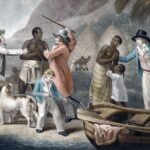
For example, memorials dedicated to the victims of slavery help visitors recognize the scale of forced migration, exploitation, and the struggle for freedom. They also acknowledge the contributions and resilience of people whose experiences were often excluded from traditional historical accounts.
Protecting Stories That Might Be Forgotten
Historical records do not always represent every person’s experience equally. The stories of marginalized communities, victims of injustice, and ordinary individuals may be missing from official accounts.
Memorials can help address these gaps by including personal testimonies, family histories, photographs, letters, oral histories, and community contributions.
When these stories are carefully documented and preserved, they become valuable resources for researchers, students, and future generations.
Connecting Past and Present Generations
Memorials create a connection between people who experienced historical events and those who learn about them later.
A young visitor may not have a personal connection to a particular war, social movement, or period of oppression. However, visiting a memorial can make the history more understandable by presenting personal stories and meaningful historical details.
This connection helps transform historical knowledge into shared cultural memory.
The Educational Importance of Memorials
Learning Beyond Textbooks
Books and classroom lessons are essential for historical education, but memorials provide another way to understand the past.
A visit to a memorial may include photographs, original documents, monuments, recorded testimonies, exhibitions, and interactive displays. These materials can help visitors understand the human experiences behind historical events.
For students, memorial visits can make complex topics more meaningful. They encourage observation, discussion, research, and critical thinking.
Encouraging Historical Research
Many memorial sites preserve valuable information for historians, teachers, journalists, and researchers.
Their collections may include official records, personal documents, photographs, objects, maps, and interviews. These resources can support academic research and help improve public understanding of historical events.
Memorial institutions also contribute to education by organizing lectures, workshops, exhibitions, and public programmes.
Teaching Younger Generations About the Past
Teaching history to younger generations is important for maintaining cultural awareness and understanding social change.
Memorials offer opportunities for families, schools, and educational organizations to discuss difficult historical subjects in an informed environment.
They can help students understand the consequences of discrimination, violence, exploitation, and intolerance. They also highlight the importance of courage, cooperation, human rights, and social responsibility.
Memorials and the Recognition of Historical Injustice
Honoring Victims and Survivors
Memorials provide a public space to recognize individuals and communities affected by historical injustice.
Memorials dedicated to slavery, genocide, war, forced migration, and political oppression acknowledge experiences that caused immense human suffering.
For survivors and descendants, these spaces may offer recognition and an opportunity to share family and community histories.
Public remembrance can also communicate that victims’ experiences deserve attention and respect.
Giving Recognition to Overlooked Communities
Historical narratives sometimes focus mainly on political leaders, military figures, or powerful institutions. As a result, the experiences of ordinary people may receive less attention.
Memorial projects can help broaden historical understanding by recognizing workers, women, children, Indigenous communities, enslaved people, and other groups whose contributions and experiences were overlooked.
Including diverse perspectives helps create a more balanced account of the past.
Supporting Public Understanding and Dialogue
Memorials can encourage conversations about difficult historical subjects. Visitors may discuss the causes of injustice, the responsibilities of institutions, and the effects of historical decisions.
These discussions can be challenging, particularly when communities have different memories or interpretations of an event.
However, respectful dialogue supported by reliable historical evidence can help people understand different perspectives and develop a deeper appreciation of shared history.
Different Types of Historical Memorials
Monuments and Public Sculptures
Monuments and sculptures are among the most recognizable forms of memorials. They may include statues, symbolic structures, engraved names, or artistic installations.
Their location in public spaces makes them accessible to residents and visitors. They can commemorate important individuals, national events, historical movements, or victims of injustice.
The design often communicates a particular message through symbolism, architecture, and inscriptions.
Museums and Memorial Sites
Museums and historical memorial sites combine remembrance with education. They often preserve artifacts, photographs, documents, and personal accounts.
These institutions provide visitors with historical context and opportunities to examine evidence. Some are located at sites directly connected to the events they commemorate.
Examples include the United States Holocaust Memorial Museum in Washington, D.C., and the National Memorial for Peace and Justice in Montgomery, Alabama.
Gardens and Places of Reflection
Memorial gardens and peaceful outdoor spaces provide environments for quiet remembrance. They may include trees, water features, engraved stones, pathways, and dedicated spaces for reflection.
Natural elements can represent life, renewal, hope, and continuity. These memorials often provide an accessible setting for community gatherings and remembrance events.
Digital Memorials and Online Archives
Technology has expanded the ways historical memory can be preserved and shared.
Digital memorials may include online exhibitions, recorded interviews, photographs, historical databases, interactive maps, and educational resources.
They allow people to explore history without travelling to a physical location. Digital collections can also connect researchers and communities across national borders.
However, online historical information should be carefully researched, accurately documented, and maintained to remain trustworthy.
Memorials and the Preservation of Cultural Identity
Protecting Community Heritage
Memorials help communities preserve traditions, historical experiences, and cultural achievements.
They can recognize important events in local history, celebrate cultural leaders, and protect stories connected to language, migration, religion, and community development.
These efforts are especially valuable when cultural traditions face the risk of disappearing because of displacement, conflict, or social change.
Strengthening Community Connections
Shared remembrance can bring people together around a common understanding of local or national history.
Community members may participate in memorial ceremonies, educational activities, exhibitions, and restoration projects. These activities create opportunities to share memories and build relationships across generations.
Memorials can also help descendants connect with the experiences of their ancestors.
Recognizing Contributions and Achievements
Historical remembrance should not focus only on tragedy. Memorials can also celebrate achievements in science, education, literature, art, public service, and social reform.
Recognizing these contributions creates a more complete picture of history and highlights the individuals and communities that helped shape society.
Learning From Historical Mistakes
Memorials dedicated to slavery, genocide, war, and other forms of injustice remind visitors of the consequences of denying people their basic rights.
They provide opportunities to examine how discrimination, political extremism, exploitation, and intolerance can develop and affect entire communities.
Understanding these historical patterns can encourage people to recognize warning signs and support policies that protect human dignity.
Encouraging Equality and Respect
By recognizing the experiences of people who faced discrimination or oppression, memorials can promote awareness of equality and respect.
Educational exhibitions and public discussions can help visitors understand the importance of protecting individual freedoms and treating people fairly.
These lessons are relevant to schools, workplaces, public institutions, and communities.
Inspiring Civic Responsibility
Memorials can encourage visitors to think about their responsibilities as members of society.
Learning about people who challenged injustice may inspire individuals to support education, community service, human rights initiatives, and peaceful public participation.
Remembrance becomes more meaningful when it encourages informed action and a commitment to a fairer society.
Challenges in Preserving Historical Memory
Historical Accuracy and Reliable Information
A memorial must present historical information responsibly. Incorrect dates, incomplete accounts, or unsupported claims can weaken public understanding.
Memorial organizations should work with historians, archivists, educators, researchers, and affected communities to verify information.
Sources should be clearly identified, and historical interpretations should distinguish documented facts from debate or uncertainty.
Different Perspectives and Public Debate
Communities may disagree about how certain historical events should be remembered. Some memorials become subjects of public debate because of their symbols, language, location, or interpretation.
Open consultation and transparent decision-making can help ensure that memorial projects reflect reliable evidence and consider the experiences of affected communities.
Funding and Long-Term Maintenance
Memorials require resources for conservation, repairs, staffing, education, and digital preservation.
Without proper maintenance, monuments can deteriorate, historical documents can become damaged, and educational programmes may be interrupted.
Long-term planning and community support are important for keeping memorials accessible to future generations.
How Individuals Can Help Preserve Historical Memory
Preserving history is not only the responsibility of governments and museums. Individuals and communities can also make valuable contributions.
Here are several practical ways to support historical preservation:
- Visit historical memorials: Learn about the events and people they commemorate.
- Explore reliable archives: Read historical documents, photographs, and verified personal accounts.
- Share family histories: Record stories from older relatives and community members with their permission.
- Support museums and preservation groups: Participate in educational programmes or contribute to conservation initiatives.
- Encourage historical education: Help students explore local and international history.
- Use trustworthy sources: Check historical information before sharing it online.
- Respect memorial spaces: Follow visitor guidelines and treat commemorative sites with dignity.
For further learning, explore UNESCO’s Memory of the World programme, which supports the preservation and accessibility of documentary heritage.
Conclusion: Why Memorials Matter for Future Generations
Memorials play an important role in preserving historical memory by keeping significant events visible, honoring affected communities, and connecting present generations with the past. Through monuments, museums, gardens, archives, and digital collections, they help protect stories that might otherwise be forgotten.
Their value extends beyond remembrance. Memorials support education, encourage historical research, recognize cultural contributions, and promote awareness of human rights and social responsibility.
Preserving historical memory requires accurate information, community participation, responsible conservation, and continued educational efforts. When these principles guide memorial projects, they become valuable resources for understanding history and building a more informed society.
Remembering the past does not mean remaining trapped in it. It means learning from historical experiences, respecting the people who came before us, and helping future generations build a world based on dignity, equality, and understanding.