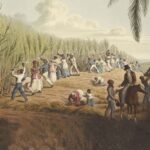

The abolition of slavery was one of the most important turning points in modern history. For centuries, millions of people across different parts of the world were deprived of their freedom and forced to work under systems of exploitation. Enslaved people were separated from their families, denied basic rights, and treated as property. Their labour supported agricultural production, international trade, colonial expansion, and the wealth of powerful individuals and institutions.
The movement to end slavery changed societies, challenged established political systems, and helped shape modern ideas about freedom, equality, and human dignity. However, abolition was not a single event that happened everywhere at the same time. It developed through generations of resistance, political campaigns, rebellions, legal reforms, and social change.
Although the end of legal slavery represented a major achievement, freedom did not immediately bring equal opportunities or protection from discrimination. Many formerly enslaved people continued to face poverty, racial inequality, and exclusion.
Understanding how the abolition of slavery changed the world helps explain the development of human rights, modern democracy, social justice movements, and the continuing importance of remembering this history.
Understanding the Abolition of Slavery
Abolition refers to the legal and political process of ending slavery and, in many cases, prohibiting the slave trade. It developed differently across countries and historical periods.
Some governments first restricted or prohibited the international trade in enslaved people before ending slavery within their territories. Others abolished slavery through constitutional amendments, legislation, revolutions, or gradual emancipation programmes.
The abolition movement was not driven by one individual or organization. Enslaved and formerly enslaved people played a central role by resisting exploitation, escaping captivity, organizing rebellions, and sharing personal accounts. Religious groups, writers, reformers, political leaders, and community organizations also helped build opposition to slavery.
The movement gradually challenged the belief that human beings could legally own other human beings. It helped establish freedom as an important principle in political and social discussions around the world.
The Major Forces Behind the Abolition Movement
Resistance by Enslaved People
The struggle against slavery began long before many governments introduced abolition laws. Enslaved people resisted through everyday actions, escape attempts, cultural preservation, organized rebellions, and efforts to protect their families and communities.
Their resistance exposed the violence of slavery and challenged the authority of slaveholding institutions. In some regions, rebellions created political pressure that made existing systems increasingly difficult to maintain.
One major example was the Haitian Revolution, which began in 1791 in the French colony of Saint-Domingue. Enslaved people fought against slavery and colonial rule, eventually establishing independent Haiti in 1804. The revolution demonstrated that enslaved communities could organize a successful struggle for freedom.
The Role of Abolitionists and Reformers
Abolitionists worked to end slavery through public education, political campaigns, religious arguments, publications, and organized protests.
Formerly enslaved individuals became important campaigners by describing their experiences and exposing the conditions under which people were held in bondage. Their accounts helped the public understand the human consequences of slavery.
Religious organizations and reform groups also argued that slavery violated principles of human dignity and moral responsibility. Campaigners organized petitions, meetings, and public discussions to encourage governments to change their laws.
Political and Economic Change
Economic and political developments also influenced abolition. Industrialization changed labour systems in some countries, while revolutions and political reforms challenged traditional forms of authority.
However, the end of slavery cannot be explained simply as an economic decision. Resistance by enslaved people, political organizing, moral opposition, and changing public attitudes were all essential parts of the process.
Important Milestones in the Abolition of Slavery
Abolition happened at different times in different countries. The following milestones illustrate some of the major legal developments.
The British Slave Trade Act of 1807
In 1807, Britain passed legislation prohibiting its participation in the transatlantic slave trade. The law took effect in 1808 and made it illegal for British subjects to engage in the trade.
However, this legislation did not immediately free people already enslaved in British colonies. Slavery itself continued until later legislation was introduced.
The British Slavery Abolition Act of 1833
The British Parliament passed the Slavery Abolition Act in 1833. It brought an end to slavery in most British colonies, with the change taking effect in 1834.
The law included a system known as apprenticeship, which required many formerly enslaved people to continue working under restrictive conditions. This system was later ended in 1838.
Emancipation in the United States
During the American Civil War, President Abraham Lincoln issued the Emancipation Proclamation, which took effect on January 1, 1863. It declared enslaved people in designated areas still in rebellion against the United States to be free.
The Thirteenth Amendment to the US Constitution, ratified in 1865, abolished slavery throughout the country, except as punishment for a crime.
The Abolition of Slavery in Brazil
Brazil was the last country in the Americas to abolish slavery. The Golden Law, signed on May 13, 1888, legally ended slavery in the country.
Although emancipation was a major milestone, formerly enslaved people received little formal support to overcome economic and social disadvantages.
These developments show that abolition was a long international process rather than one universal event.
How Abolition Changed Society
Greater Recognition of Human Freedom
One of the most important effects of abolition was the growing recognition that human beings should not be treated as property.
Ending legal slavery challenged systems that had allowed individuals to control other people’s lives, labour, and movement. It also strengthened discussions about personal liberty, legal protection, and individual dignity.
Abolition did not immediately create equal societies, but it established an important foundation for later human rights movements.
Changes in Family and Community Life
Emancipation gave formerly enslaved people greater opportunities to make decisions about their personal lives. Many sought to reunite with relatives who had been separated through sale or forced migration.
Families worked to rebuild relationships, establish independent households, and create stronger community networks. Some people travelled long distances to find missing relatives or reconnect with children and spouses.
Formerly enslaved communities also developed churches, schools, mutual support organizations, and cultural institutions. These organizations became important centres of education, social connection, and political participation.
Growth of Education and Community Institutions
After emancipation, education became an important priority for many formerly enslaved people and their descendants.
In several regions, communities established schools and supported educational institutions despite limited resources and discrimination. Literacy offered opportunities to access information, participate in public life, and pursue different forms of employment.
Religious institutions and community organizations also played important roles in providing support, developing leadership, and strengthening social networks.
How Abolition Changed the Global Economy
The End of Legally Enforced Slave Labour
Before abolition, enslaved labour supported major industries, including sugar production, cotton cultivation, tobacco farming, mining, and domestic service.
The end of legal slavery forced businesses and governments to adjust their labour arrangements. In some places, paid employment expanded, while other regions introduced new systems of contract labour.
However, the transition was not always fair. Formerly enslaved workers frequently had limited access to land, capital, and alternative employment. Some continued working under exploitative conditions because they had few practical choices.
Changes in Agriculture and Industry
The economic consequences of abolition varied across countries and industries. Plantation owners had to adapt to new labour arrangements, while governments and businesses reconsidered how agricultural production could continue.
In some former slaveholding societies, landowners attempted to maintain control through low wages, restrictive contracts, debt arrangements, and discriminatory laws.
Abolition therefore changed the legal structure of labour without automatically ending economic exploitation.
The Long-Term Wealth Gap
Slavery had allowed individuals and institutions to accumulate wealth through labour taken without fair payment. Enslaved people were generally denied wages, property rights, and opportunities to build independent financial security.
After emancipation, many communities faced barriers to land ownership, education, housing, and business development. These disadvantages contributed to economic inequalities that continued across generations.
Understanding this history is important when examining present-day discussions about wealth distribution, social mobility, and historical inequality.
The Impact of Abolition on Politics and Law
New Debates About Equality
Abolition helped expand political discussions about citizenship, legal rights, and equal treatment. It challenged the idea that certain groups could be permanently excluded from basic freedoms.
In different countries, emancipation was followed by debates about voting rights, education, land ownership, public services, and participation in government.
These changes did not happen automatically. Formerly enslaved people and their descendants continued to campaign for political representation and equal protection under the law.
Constitutional and Legal Reforms
The abolition of slavery influenced legal systems by requiring governments to recognize the freedom of people who had previously been held in bondage.
In the United States, the Thirteenth Amendment ended slavery, while the Fourteenth Amendment established citizenship and equal protection under the law. The Fifteenth Amendment later prohibited denying voting rights on the basis of race, although discriminatory practices continued.
Other countries introduced their own legal reforms, reflecting different political circumstances and approaches to emancipation.
The Challenges After Emancipation
Racism and Segregation
The end of slavery did not end racial discrimination. In several societies, laws and social practices continued to restrict the rights and opportunities of formerly enslaved people and their descendants.
In the United States, segregation and discriminatory policies developed after the Civil War. In other parts of the world, racial hierarchies and colonial systems continued to influence employment, education, land ownership, and political participation.
These developments demonstrate that legal freedom and genuine equality are not the same thing.
Poverty and Limited Economic Opportunities
Many formerly enslaved people entered freedom without land, savings, or access to education. Some were forced to work for former owners under unfair contracts because they had few alternatives.
In certain regions, systems such as sharecropping and debt-based labour arrangements kept workers economically dependent. Although these systems were not identical to slavery, they could create severe hardship and limit personal independence.
Access to education, fair employment, land, and legal protection remained important challenges after abolition.
Continued Struggles for Civil Rights
The struggle for equality continued through later generations. Civil rights organizations, community leaders, writers, educators, and political activists challenged discrimination and demanded equal treatment.
These movements helped influence changes in voting rights, education, employment, housing, and public policy.
The history of abolition therefore connects directly with later campaigns for civil rights and social justice.
How Abolition Influenced Modern Human Rights
The movement to end slavery contributed to the development of modern ideas about human dignity and freedom.
In the twentieth century, international organizations increasingly recognized the need to protect individuals from slavery, forced labour, trafficking, and other forms of exploitation.
The Universal Declaration of Human Rights, adopted by the United Nations in 1948, states that no one shall be held in slavery or servitude. It also prohibits the slave trade in all its forms.
This principle helped establish international expectations for the protection of human freedom.
For further information, readers can explore the United Nations Universal Declaration of Human Rights, particularly Article 4, which addresses slavery and servitude.
Why the Legacy of Abolition Still Matters Today
Although legal slavery has been abolished in most countries, exploitation continues in different forms. Human trafficking, forced labour, debt bondage, forced marriage, and child exploitation remain serious international concerns.
Learning about abolition helps people understand why laws, public awareness, responsible employment practices, and international cooperation are necessary to protect vulnerable communities.
Historical remembrance is also important. Museums, archives, memorials, educational institutions, and cultural organizations preserve the experiences of enslaved people and explain how their resistance helped change history.
Remembering abolition is not only about celebrating the end of a legal institution. It is also about recognizing the people who fought for freedom and understanding the work that remains necessary to protect human rights.
Conclusion: A Turning Point in World History
The abolition of slavery changed the world by challenging systems of human ownership and strengthening the principles of freedom, dignity, and equality. It transformed legal institutions, influenced political movements, changed labour arrangements, and helped shape modern human rights discussions.
However, emancipation did not immediately eliminate poverty, racism, or economic inequality. Many formerly enslaved communities continued to face discrimination and limited opportunities long after slavery became illegal.
The history of abolition is therefore both a story of progress and a reminder of unfinished struggles. By studying the people, movements, and events that brought slavery to an end, future generations can better understand the importance of justice, historical awareness, and equal rights for all.