The transatlantic slave trade was one of the largest forced migrations in human history and one of the most devastating systems of exploitation ever established. Between the fifteenth and nineteenth centuries, millions of African men, women, and children were captured, sold, and forcibly transported across the Atlantic Ocean to the Americas. They were denied their freedom and compelled to work under extremely harsh conditions, particularly on plantations and in colonial settlements.
This trade connected Europe, Africa, and the Americas through a commercial system built on human suffering. It generated enormous wealth for merchants, plantation owners, shipping companies, and colonial economies while causing lasting damage to African communities and the lives of enslaved people.
Understanding the transatlantic slave trade requires examining its origins, the economic interests behind it, the Middle Passage, the experiences of enslaved Africans, resistance movements, and the struggle for abolition. Its history also helps explain the development of racial inequality and the continuing influence of slavery on societies today.
What Was the Transatlantic Slave Trade?
The transatlantic slave trade was the forced transportation and sale of African people across the Atlantic Ocean, primarily to European colonies in the Americas. It formed part of a wider system of Atlantic commerce that developed alongside European exploration, colonization, and plantation agriculture.
Enslaved Africans were transported to destinations including Brazil, the Caribbean, and mainland North America. They were forced to work in agriculture, mining, domestic service, and other industries. Sugar, tobacco, coffee, rice, and cotton were among the major commodities produced through enslaved labour.
The trade operated for several centuries and involved European governments, private merchants, shipowners, financial institutions, African political authorities, and colonial plantation owners. However, the people who suffered most were the millions of Africans whose freedom, families, and communities were taken from them.
How Did the Transatlantic Slave Trade Begin?
European Expansion Along the African Coast
The development of the transatlantic slave trade was closely connected to European maritime expansion during the fifteenth century. Portuguese explorers and merchants established trading relationships along parts of the West African coast. Other European powers later expanded their commercial and colonial activities in the region.
European colonization of the Americas created a growing demand for labour. Colonists sought workers for plantations and other economic activities, particularly as sugar production expanded in the Caribbean and Brazil.
Indigenous populations in the Americas experienced catastrophic population losses because of disease, warfare, displacement, and forced labour. European colonial authorities and plantation owners increasingly relied on the forced transportation of Africans to meet their labour demands.
The Growth of Colonial Plantation Economies
Plantation agriculture became a major part of the Atlantic economy. European colonial powers established large agricultural estates that produced valuable goods for international markets.
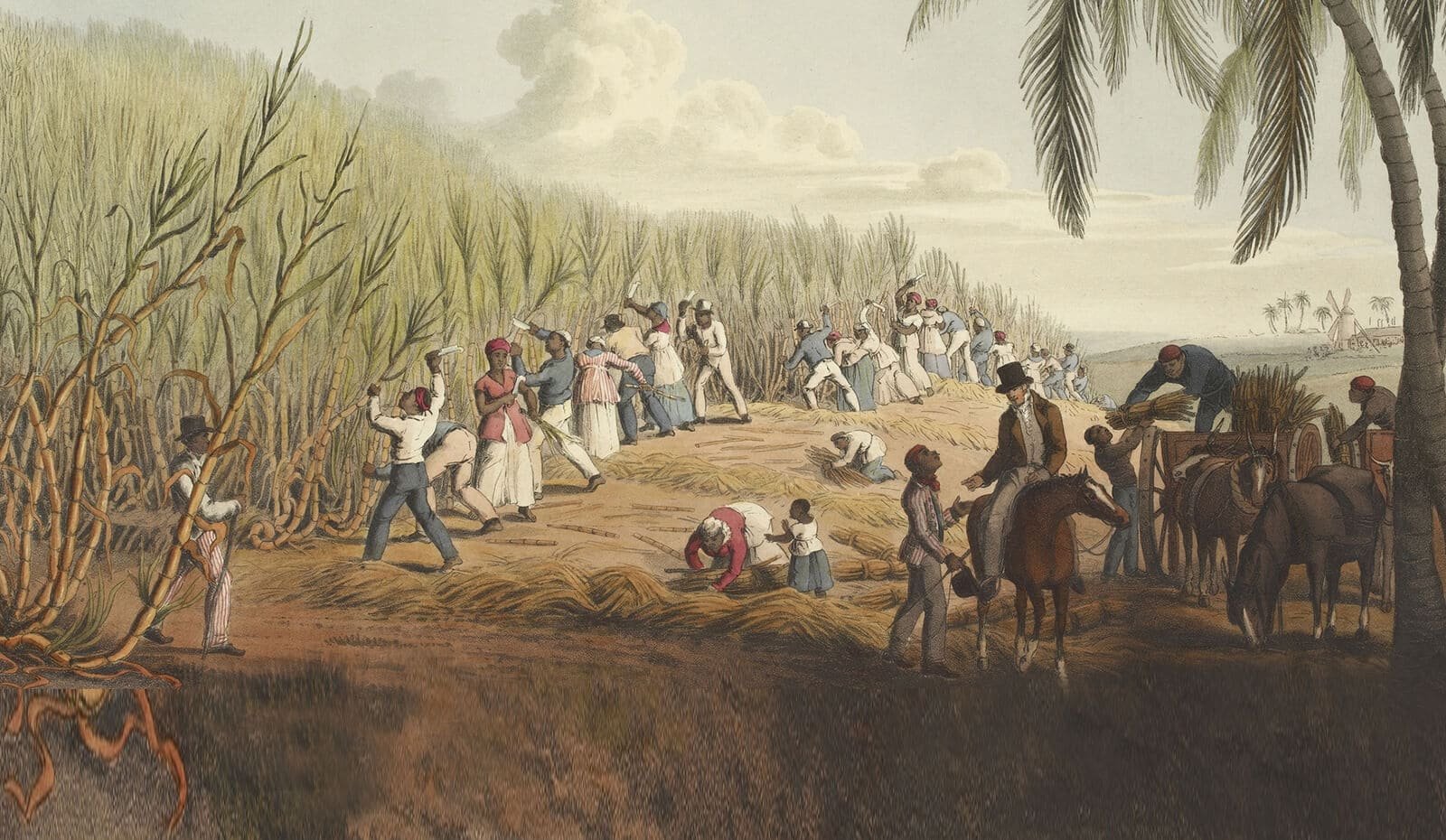
Sugar plantations were particularly important in Brazil and the Caribbean. Tobacco and rice production also depended heavily on enslaved labour in several colonies. Later, cotton became central to the economy of the southern United States.
Plantation owners pursued profits by controlling workers through violence, restrictive laws, and the denial of basic human rights. The demand for labour encouraged merchants and governments to expand the forced transportation of Africans across the Atlantic.
The Three Major Stages of Atlantic Trade
The Atlantic trading system is often explained through the concept of triangular trade. This model describes the movement of goods, people, and resources between Europe, Africa, and the Americas. Although actual routes varied, it helps illustrate how the system operated.
European Goods and Trade Along the African Coast
Ships from European ports carried manufactured goods to trading centres along the African coast. These goods included textiles, metal products, firearms, and other merchandise.
European merchants exchanged these products with African traders and political authorities. In some regions, African states and commercial networks participated in the capture and sale of people, often prisoners of war or individuals taken through raids and kidnapping.
The political and economic circumstances differed across regions. European demand and military involvement helped expand the trade, while African societies experienced significant political, demographic, and social consequences.
The Forced Transportation of Enslaved Africans
The second stage involved transporting enslaved Africans across the Atlantic Ocean to the Americas. This voyage became known as the Middle Passage.
People were forcibly removed from their homes, separated from relatives, and placed aboard ships under extremely dangerous conditions. They were treated as cargo rather than human beings.
Plantation Goods Returned to Europe
The final stage involved shipping commodities produced through enslaved labour from the Americas to European markets.
Sugar, coffee, tobacco, cotton, and other products generated wealth for merchants, manufacturers, investors, and colonial governments. This commercial system connected forced labour with the growth of international trade and helped finance parts of the European economy.
The Middle Passage: A Journey of Suffering
Conditions Aboard Slave Ships
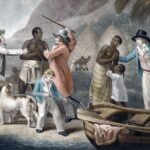
The Middle Passage was one of the most brutal parts of the transatlantic slave trade. Enslaved Africans were confined in overcrowded ship compartments, often with limited ventilation, inadequate sanitation, and insufficient food and water.
People endured disease, physical abuse, psychological trauma, and extreme fear. The conditions were especially dangerous for children, pregnant women, and individuals already weakened by capture and forced movement.
Some people died during the voyage, while others experienced lasting physical and emotional consequences. Shipboard mortality varied according to the journey, conditions, and period, but the loss of life was substantial.
Resistance During the Voyage
Enslaved Africans resisted their captivity even while aboard ships. Some attempted to organize rebellions, escape restraints, or refuse food. These acts were met with severe punishment by ship crews.
Resistance demonstrated that enslaved people did not accept their treatment willingly. Their efforts to protect their dignity and freedom were an important part of the wider history of opposition to slavery.
Life Under Slavery in the Americas
Forced Labour on Plantations
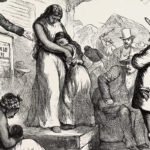
After arriving in the Americas, enslaved Africans were often sold through auctions or other commercial arrangements. Families could be separated, and individuals had little control over where they lived or worked.
Many were forced to labour on sugar, tobacco, cotton, rice, and coffee plantations. Working conditions were frequently dangerous, with long hours, physical punishment, limited food, and inadequate shelter.
Enslaved people were also employed in domestic service, construction, mining, shipping, and skilled trades. Their experiences differed depending on location, occupation, and the laws governing slavery.
Family Separation and Restrictions
Slavery affected every part of daily life. Enslaved people could be sold away from their relatives, denied legal recognition of family relationships, and prevented from making independent decisions.
Colonial laws often restricted movement, education, religious practice, and property ownership. In many regions, children inherited enslaved status from their mothers, allowing slavery to continue across generations.
Despite these restrictions, enslaved communities formed families, maintained relationships, shared knowledge, and preserved cultural practices whenever possible.
The Impact of the Slave Trade on Africa
Population Loss and Community Disruption
The forced removal of millions of Africans had serious consequences for communities across parts of West and Central Africa. Families were separated, villages experienced violence, and local populations faced insecurity.
The effects were not limited to the people who were transported. Raids, warfare, political instability, and the fear of capture affected communities that remained behind.
The scale and nature of these consequences differed across regions, but the trade contributed to long-term social and demographic disruption.
Political and Economic Consequences
The demand for enslaved people influenced political relationships and commercial activities in several African regions. Some rulers and trading groups gained wealth or military advantages through participation in the trade, while other communities suffered from attacks and displacement.
The trade also shaped relationships between African societies and European powers. As European colonial influence expanded, earlier commercial relationships increasingly became part of wider systems of imperial control.
It is important to recognize that Africa was not a single political or economic unit. Different kingdoms, communities, and trading networks responded to the slave trade in different ways.
Resistance and Rebellion Against Slavery
Everyday Resistance
Resistance was not limited to large rebellions. Enslaved people challenged slavery through everyday actions, including preserving languages and traditions, slowing work, maintaining family connections, escaping, and sharing information.
These activities helped protect individual identity and community life under oppressive conditions.
Major Revolts and the Haitian Revolution
One of the most important events in the history of resistance was the Haitian Revolution, which began in 1791 in the French colony of Saint-Domingue.
Enslaved people organized a major uprising against slavery and colonial rule. The revolution eventually led to Haiti’s independence in 1804, establishing the first independent Black republic.
The Haitian Revolution challenged the idea that slavery was permanent or unavoidable. It also influenced abolitionist discussions and political movements across the Atlantic world.
Other rebellions and resistance movements took place in the Caribbean, Brazil, and North America, demonstrating the determination of enslaved people to secure freedom.
The Abolition of the Transatlantic Slave Trade
The Rise of Abolitionist Movements
Opposition to the slave trade developed through the efforts of enslaved and formerly enslaved people, religious communities, writers, political campaigners, and reform organizations.
Formerly enslaved individuals shared their experiences through speeches, publications, and personal accounts. Their testimony helped expose the violence and exploitation behind the trade.
Abolitionists organized public campaigns, circulated petitions, and pressured governments to change laws. Enslaved people’s resistance and rebellions also made it increasingly difficult for slaveholding authorities to maintain control.
Important Historical Milestones
Several legal and political developments contributed to the decline of the transatlantic slave trade and slavery:
- 1807: Britain passed legislation abolishing its transatlantic slave trade.
- 1808: The United States prohibited the international importation of enslaved people, although domestic slavery continued.
- 1833: Britain passed the Slavery Abolition Act, which ended slavery in most British colonies after a transition period.
- 1848: France abolished slavery in its colonies for a second and lasting time.
- 1865: The Thirteenth Amendment abolished slavery in the United States, except as punishment for a crime.
- 1888: Brazil abolished slavery through the Golden Law.
The abolition of the trade and the abolition of slavery were separate processes. Ending the legal importation of enslaved Africans did not immediately free people already held in bondage. Slavery continued in parts of the Americas long after some countries had prohibited the Atlantic trade.
The Lasting Legacy of the Transatlantic Slave Trade
Racial Inequality and Discrimination
The transatlantic slave trade contributed to the development of racial ideologies used to justify the exploitation of African people. These ideas continued to influence laws, institutions, and social attitudes long after abolition.
Racial segregation, unequal access to education, discriminatory employment practices, and other forms of exclusion developed in different societies.
Understanding this history helps explain why discussions about racial justice, equality, and historical responsibility remain important today.
Economic Inequality and Historical Wealth
The slave trade and plantation economies generated substantial wealth for individuals and institutions involved in Atlantic commerce. Enslaved people, however, were denied wages, property rights, and opportunities to build financial security.
After emancipation, many formerly enslaved communities faced barriers to land ownership, education, employment, and political participation. These conditions contributed to inequalities that continued across generations.
Cultural Contributions of African Communities
Despite the violence of slavery, African traditions and cultural practices survived and influenced societies throughout the Americas.
African and African-descended communities contributed significantly to music, food, language, religion, literature, dance, and art. These cultural influences remain an important part of the identity and heritage of many countries.
Recognizing these contributions is essential to understanding the full history of the Atlantic world.
Why Remembering the Transatlantic Slave Trade Matters
Remembering the transatlantic slave trade is important for education, historical understanding, and the protection of human rights. It helps explain how economic interests and political power can be used to justify the exploitation of vulnerable people.
Historical remembrance also recognizes the experiences of enslaved individuals whose stories were frequently excluded from traditional accounts. Museums, memorials, archives, and educational organizations help preserve records and make this history accessible to future generations.
For further historical information, explore UNESCO’s Routes of Enslaved Peoples programme. It supports research, education, and public awareness about the history and legacy of slavery.
Learning about the past also encourages people to recognize modern forms of exploitation, including human trafficking, forced labour, and other practices that violate human dignity.
Conclusion
The transatlantic slave trade was a devastating system that forcibly moved millions of Africans across the Atlantic and shaped the history of Africa, Europe, and the Americas. Driven by colonial expansion and economic interests, it caused enormous human suffering while generating wealth for those who profited from enslaved labour.
The history also includes courage, resistance, cultural survival, and the long struggle for freedom. Although the trade eventually ended through legal changes and political movements, its consequences continued long after abolition.
Understanding the transatlantic slave trade is essential to recognizing historical injustice, appreciating the contributions of African-descended communities, and supporting a future built on equality, dignity, and freedom.